
Most people don’t really think about solar panels until the moment they have to decide, “Is this going to last, or am I signing up for repairs every few years?”
It’s a fair doubt. These panels just sit out there… all day, every day. Heat, rain, dust, wind, no breaks.
But a well-built solar panel isn’t delicate. It’s made for exactly this kind of exposure.
Take peak summer, for example. Roofs get unbearably hot. The kind of heat you can feel just standing nearby. A decent panel isn’t struggling through that, it keeps doing its job. Same story during the rains. Water doesn’t creep in and mess things up because the system is sealed properly. It’s designed with that in mind.
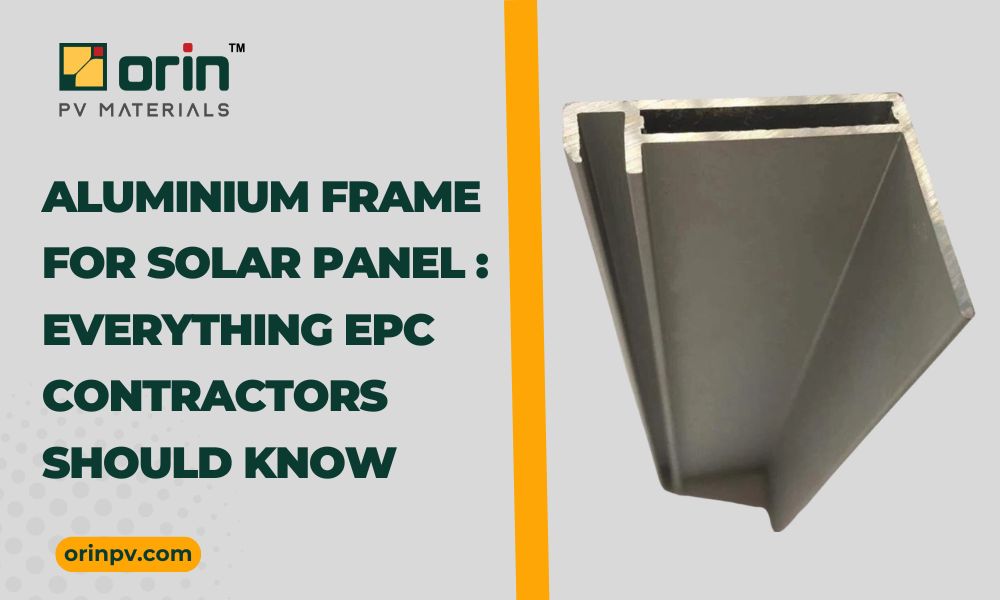
A lot of this comes down to parts people don’t usually notice. The aluminium frame, for one, it’s what holds everything together and keeps the panel steady, even when the wind picks up. Then there’s the solar junction box. It’s not something you ever see working, but it’s quietly protecting the electrical connections from moisture and dust. Without these, things would start failing much sooner.
And this is where durability starts to matter in a practical way. Fewer issues, fewer interruptions. You’re not calling someone every season to fix something. That’s where the real savings show up, not just in your electricity bill, but in the lack of ongoing repairs.
Over time, it also affects how worthwhile the investment feels. A panel that runs properly for 20–25 years gives steady returns. But if it starts giving trouble early, even small fixes begin to pile up. That’s usually when people realise what durability actually means.
In the end, it’s not about how complex or “advanced” a panel sounds. It’s more about how well it’s put together. Solid design, reliable parts, nothing flashy. Just something that stays out there and keeps working, through whatever comes its way.