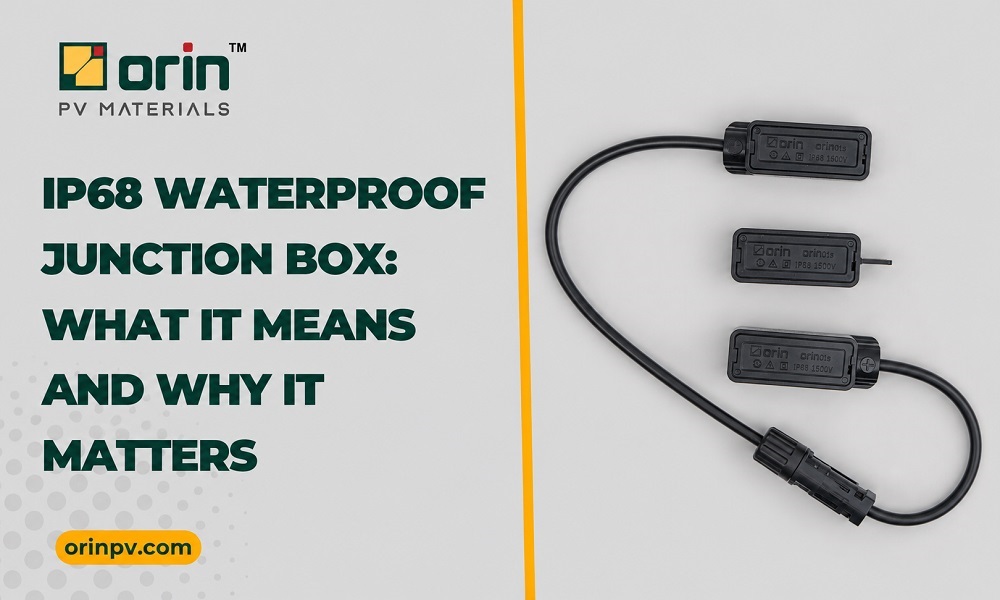
IP68 Waterproof Junction Box: What It Means and Why It Matters
Solar panels operate outdoors throughout the year. They face rain, dust, humidity, heat, and changing temperatures, so the electrical components used inside a PV module need adequate protection. One important
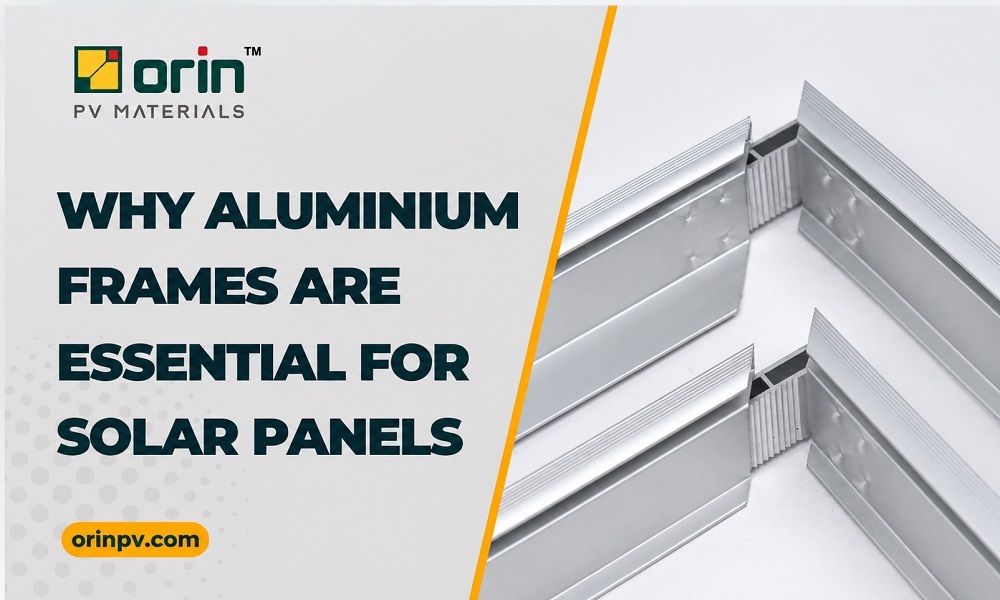
Why Aluminium Frames Are Essential for Solar Panels
Solar panels are built to last many years and typically withstand bright sunlight, heavy rain, wind, dirt and varying weather temperatures. While people tend to focus most attention on the
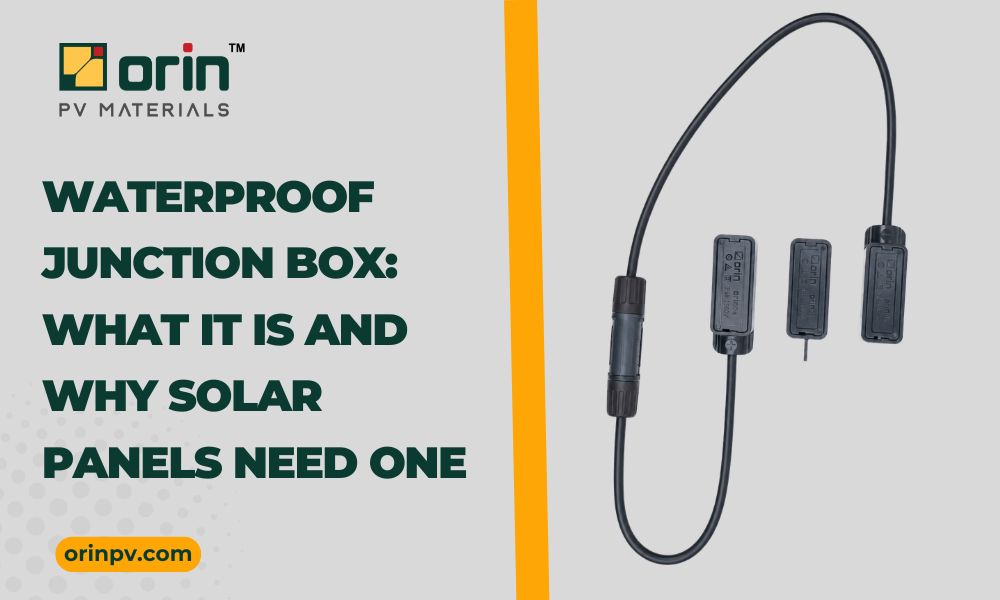
Waterproof Junction Box: What It Is and Why Solar Panels Need One
Solar panels are intended to work outdoors. They can bear outdoor changing environments such as full sunlight, rain, dust, humidity, temperature, etc. For all these reasons, electrical connections inside any
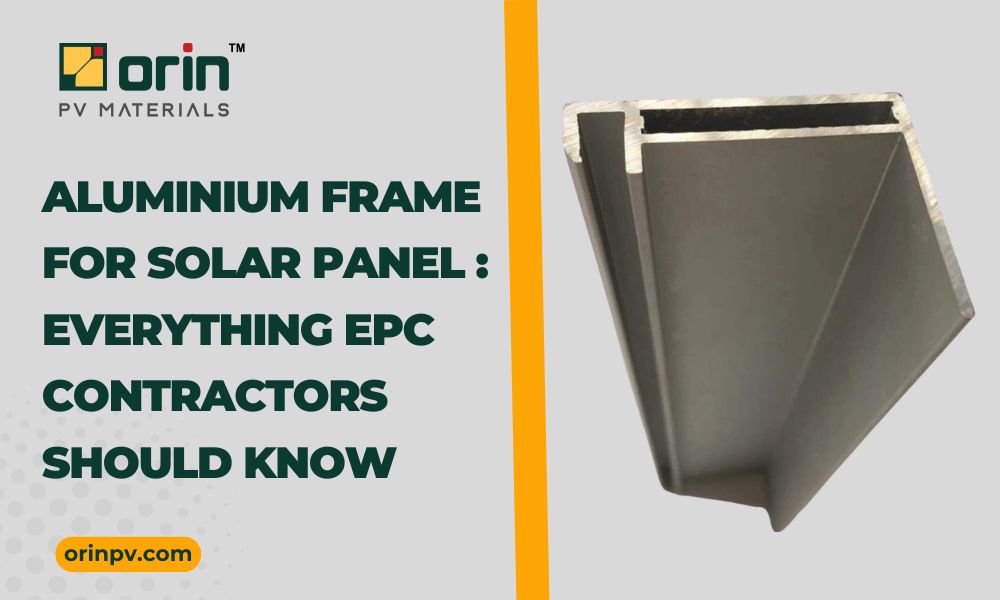
Aluminium Frame for Solar Panel: Everything EPC Contractors Should Know
Aluminium frames are essential components for any solar project. It comes down to more than just the lowest price. An EPC (Engineering, Procurement, and Construction) contractor knows that every component,
What Happens When Moisture Gets Inside a Solar Junction Box?
Solar systems are expected to stay outside for decades. Rain, humidity, dust, heat, sudden weather changes, everything keeps hitting the system year after year. Most people pay attention to the
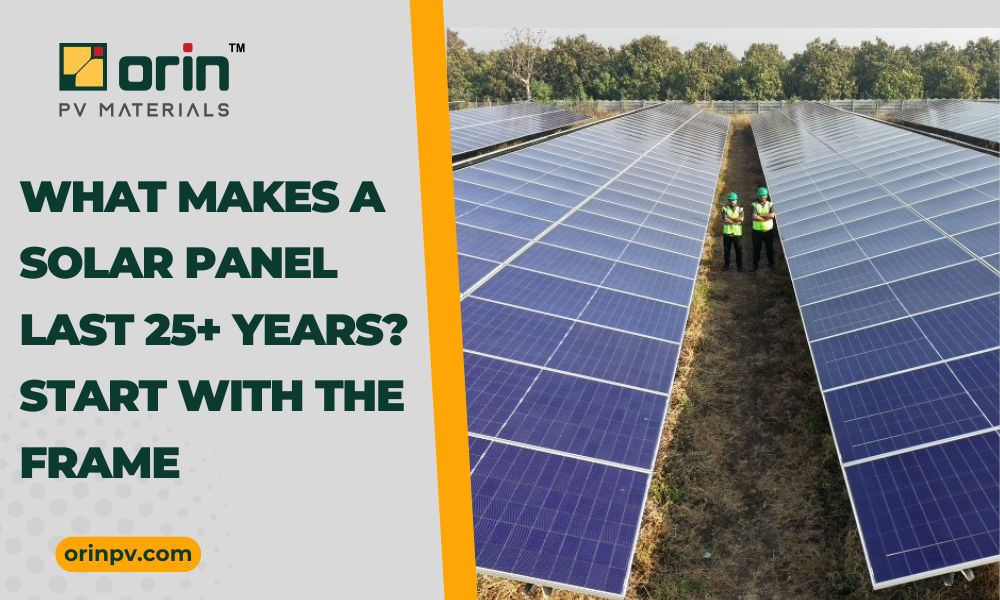
What Makes a Solar Panel Last 25+ Years? Start with the frame
When people think about solar panel performance, the focus usually goes to efficiency, wattage, or the solar cells inside the module. Those things matter, of course. But there’s another component
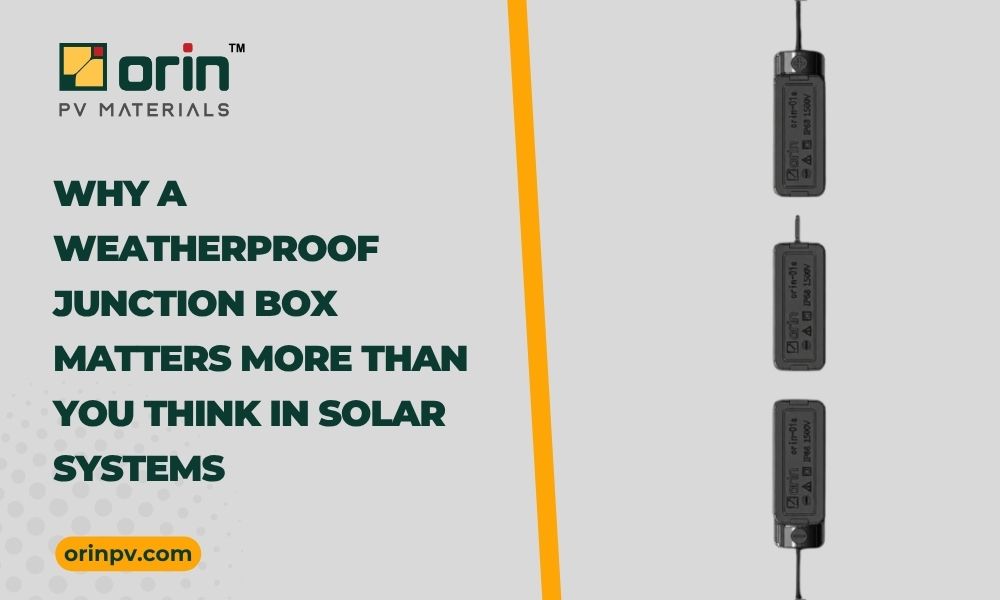
Why a Weatherproof Junction Box Matters More Than You Think in Solar Systems
Solar systems are supposed to be a long-term thing. That is usually the whole point. You install it once and expect it to run quietly for years. But that is
Most people don’t really think about solar panels until the moment they have to decide, “Is this going to last, or am I signing up for repairs every few years?”
Aluminum Frame Selection for Solar Panels: What Really Matters and Why
As solar modules become larger, thinner, and more powerful, the aluminum frame has evolved from a basic structural element into a key reliability driver. A well-designed frame directly influences mechanical
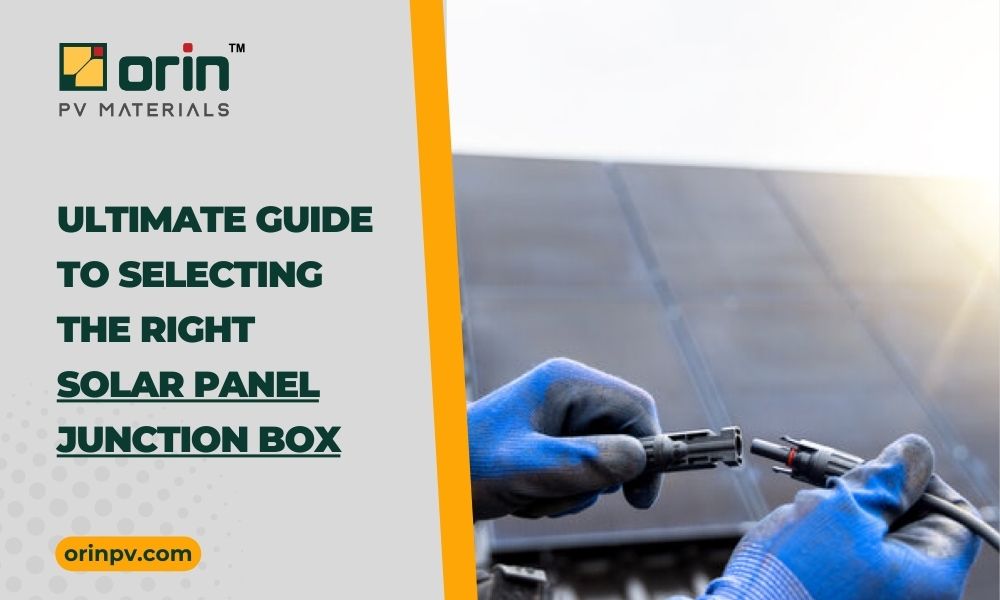
Ultimate Guide to Selecting the Right Solar Panel Junction Box
Solar panel junction boxes have undergone significant evolution over the past decade. Advances in production automation, soldering technologies, raw material development, higher module current ratings (driven by larger wafer sizes