When people think about solar panel performance, the focus usually goes to efficiency, wattage, or the solar cells inside the module. Those things matter, of course. But there’s another component that quietly plays a huge role in how long a panel actually lasts: the aluminium frame.
A solar panel stays outdoors for decades. Through heat, rain, humidity, dust, strong winds, and constant temperature changes, the structure keeps getting tested year after year. Over time, even small weaknesses in the frame can start creating bigger problems.
That is where frame quality starts making a real difference.
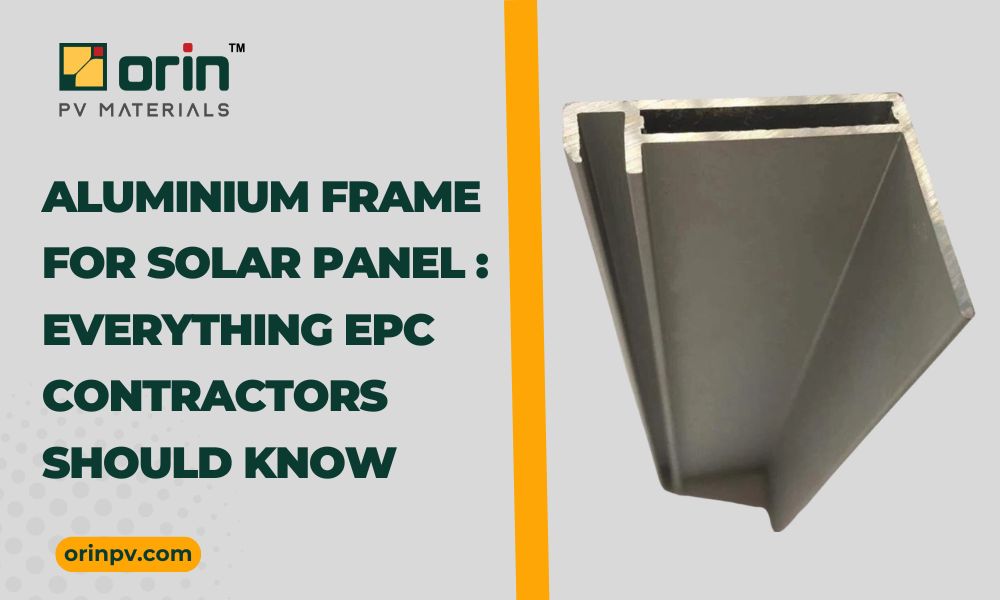
The aluminium frame does much more than just hold the panel together. It supports the glass, protects the edges, and helps the module handle mechanical stress during transportation, installation, and long-term outdoor exposure.
Without a durable frame, panels can slowly begin showing signs of wear. Sometimes it’s bending. Sometimes, corner joints loosen over time. In harsher environments, corrosion becomes a bigger issue. Most projects don’t notice these things immediately, but after years in the field, the impact becomes visible.
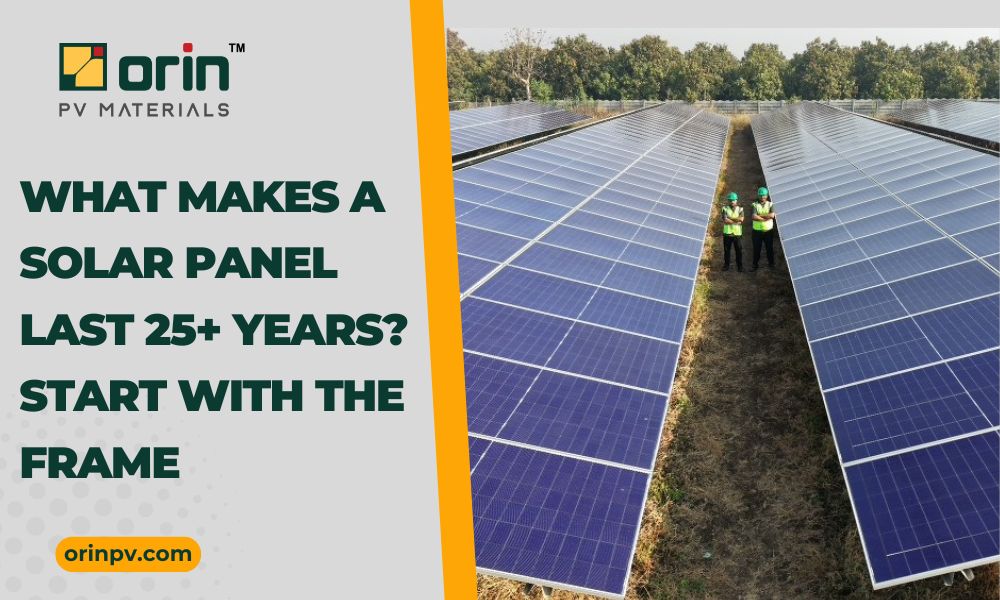
Solar panels deal with continuous environmental stress throughout their life. In hot regions, thermal expansion puts pressure on materials every day. Coastal locations bring moisture and salt exposure. High winds add structural load. Dust and pollution also affect long-term durability.
A weak frame struggles to handle these conditions consistently for 25 years or more.
This is why aluminium became the preferred material for solar module frames across the industry. It offers the right balance of strength, durability, and lightweight performance. The material is strong enough to support the panel structure while remaining easier to transport and install compared to heavier alternatives.
Another important advantage is corrosion resistance.
Aluminium naturally forms a protective oxide layer on its surface, which helps it withstand outdoor conditions much better over long periods. That becomes especially important in humid and coastal environments where lower-grade materials tend to degrade faster.
Still, not all aluminium frames perform the same way.
Manufacturing precision has a direct impact on long-term reliability. If frame dimensions are inconsistent or joints are not properly engineered, the module can become vulnerable under mechanical stress. Wind pressure, handling during transportation, or installation stress can eventually affect the structure.
Small manufacturing inconsistencies may not seem serious in the beginning. But after years of exposure, those small weaknesses often become much bigger problems.
This is also why anodized aluminium frames are widely preferred in solar manufacturing. The anodizing process improves surface durability and adds another layer of protection against corrosion and weather exposure. It helps the frame maintain its structural quality for a longer time, even in demanding conditions.
For solar manufacturers and developers, frame quality is not just about appearance. It directly affects durability, maintenance requirements, and long-term system reliability.
A well-engineered aluminium frame helps reduce the chances of transportation damage, structural deformation, and premature wear. It keeps the module stable through changing environmental conditions and supports consistent long-term performance.
Most people evaluate a solar panel based on output and efficiency numbers. But after years of real-world operation, the quality of the frame becomes just as important as the technology inside the module.
Because a solar panel designed to last 25 years needs a structure built to last just as long.
Explore aluminium frame solutions from Orin PV