Aluminium frames are essential components for any solar project. It comes down to more than just the lowest price. An EPC (Engineering, Procurement, and Construction) contractor knows that every component, from the cells and glass to the junction box and frame, affects the performance and reliability of the completed system. The aluminium frame for solar panels is one such component that plays an important role in protecting the module and supporting its installation.
What Is an Aluminium Frame for Solar Panels?
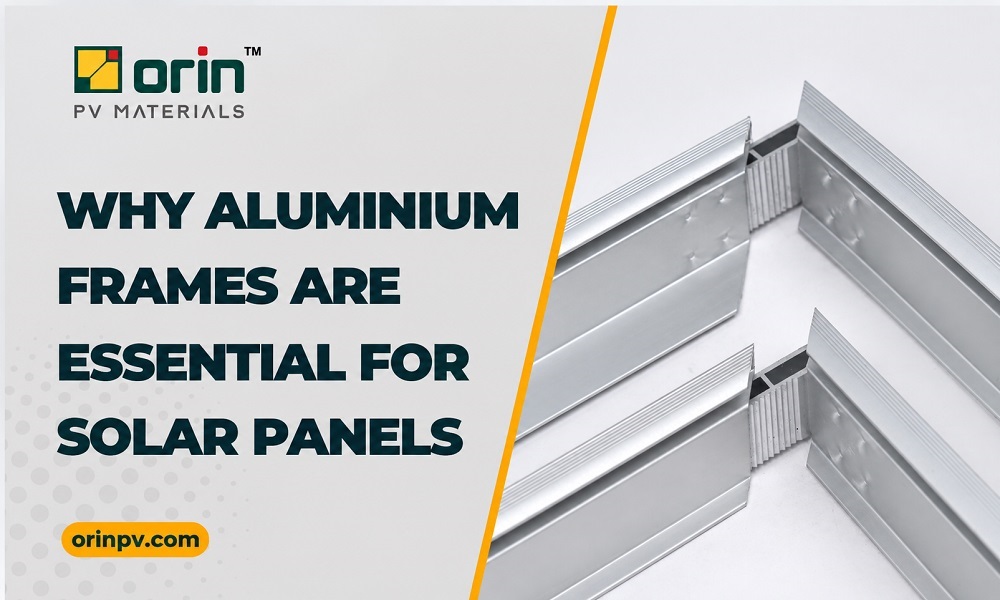
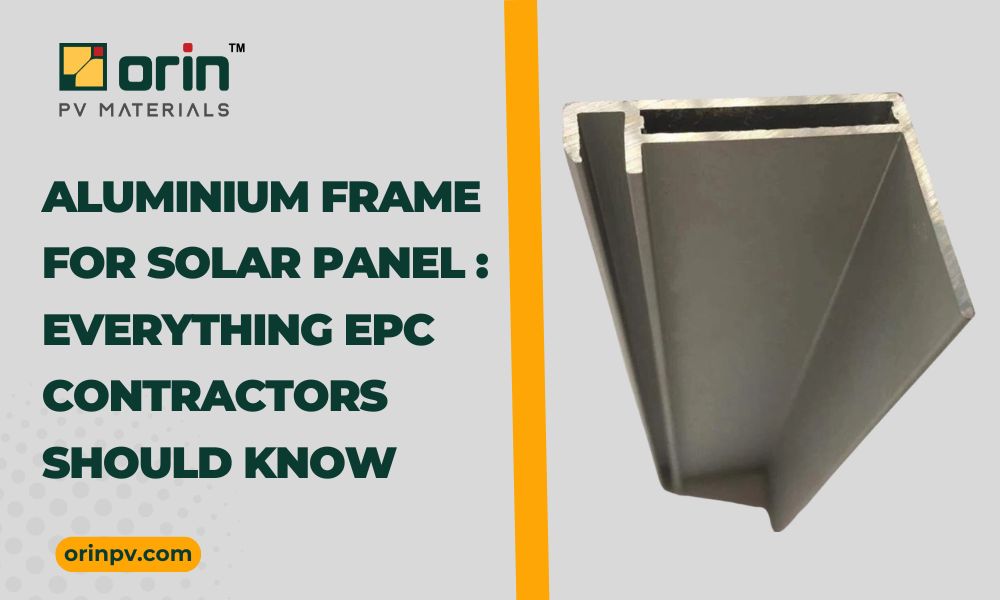
An aluminium frame is the structural border fitted around a solar module. It is generally manufactured from aluminium alloys because the material offers a useful combination of strength, low weight and corrosion resistance.
The frame typically performs several functions:
- Provides structural support to the PV module
- Protects the edges of the glass and laminate
- Helps maintain the module’s shape during handling and installation
- Provides mounting points for attaching modules to structures
- Supports mechanical stability under wind and other loads
- Helps protect the module during transportation and installation
For large solar projects, these functions become especially important because modules are transported, handled and installed in significant quantities.
Why Is Aluminium Commonly Used?
EPVC contractors frequently select the aluminium profile because it is practical for providing sufficient strength without excess weight. The solar modules have to remain strong during outdoor installation but shouldn’t increase the overall load.
Aluminium also naturally develops a thin oxide layer when exposed to air, which helps protect the underlying material from corrosion. However, the true durability of a frame will depend on its alloy, surface treatment, construction, manufacturing quality and environmental exposure. Therefore, a careful analysis of the full specification, rather than just the mention of aluminium, of the profile is essential.
Key Factors EPC Contractors Should Check
When evaluating an aluminium frame for a solar panel, EPC contractors should consider several factors before finalising the module specification.
1. Mechanical Strength
The frame should provide adequate support under expected wind and mechanical loads. Project location, mounting configuration and module design can all influence the required mechanical performance.
2. Corrosion Resistance
Solar projects can operate in humid, coastal or industrial environments where corrosion can become a concern. The frame’s material and surface finish should be suitable for the project’s environmental conditions.
3. Dimensional Accuracy
Even small variations in frame dimensions can create installation difficulties when thousands of modules are being mounted. Consistent dimensions help improve handling, alignment and installation efficiency.
4. Weight
The frame needs to provide sufficient structural strength without unnecessarily increasing module weight. Lower weight can make transportation and installation easier, particularly on large projects.
5. Compatibility With Mounting Systems
The frame should work properly with the project’s mounting structure, clamps and installation method. EPC contractors should verify dimensions and mounting requirements before procurement.
The Frame Is Only One Part of Module Reliability
A strong frame is important, but it cannot compensate for weaknesses in other module components. EPC contractors should therefore evaluate the entire PV module construction.
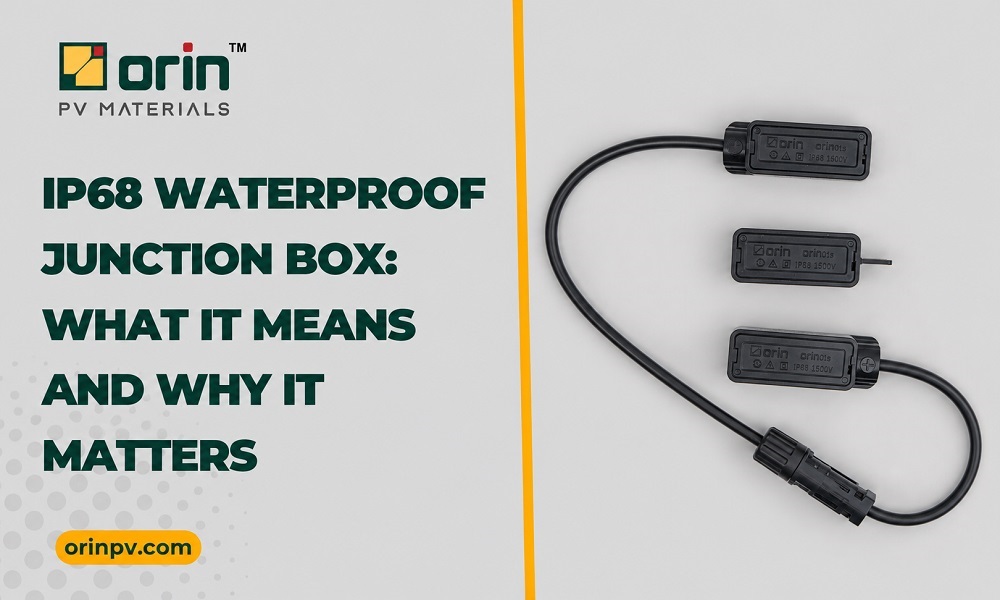
The junction box deserves particular attention because it protects and connects critical electrical components. A poorly designed or inadequately sealed junction box can create reliability concerns even when the module has a strong frame.
A quality waterproof junction box can help protect electrical connections from environmental exposure while supporting dependable module operation.
Why Junction Box Quality Matters for EPC Projects
EPC contractors are responsible for delivering solar installations that perform reliably over the long term. This makes component quality an important part of procurement decisions.
Orin’s PV junction box is designed for demanding solar applications, with features including IP68 waterproof protection, high-RTI materials, premium connectors and crimping, advanced diodes and dedicated reliability testing.
The junction box is developed with IEC 62790 and IEC 62852 requirements in consideration. Orin PV also carries out testing related to areas such as thermal cycling, UV exposure, climate conditions, diode characteristics and thermal performance.
This focus complements the role of a well-designed aluminium frame. While the frame provides structural protection, the junction box focuses on protecting critical electrical connections.
Choosing Components for Long-Term Performance
For EPC contractors, component selection should always consider the conditions in which the solar project will operate. A module installed in a dry inland region may face different environmental stresses from one installed near the coast or in an area with heavy rainfall.
Before finalising a module specification, contractors should review:
- Project climate and environmental conditions
- Mechanical load requirements
- Material and surface specifications
- Mounting compatibility
- Relevant testing and certifications
- Supplier quality and consistency
- Long-term component reliability
An aluminium frame for a solar panel provides essential structural support, but dependable solar modules require every component to work together. For EPC contractors, pairing a well-engineered frame with a reliable PV junction box can help create a module better prepared for long-term outdoor operation.
Orin’s IP68-rated PV junction box adds protection where it matters most, helping safeguard the electrical side of the module against demanding environmental conditions.
FAQs
1. Why is aluminium used for solar panel frames?
Aluminium offers strength, low weight, corrosion resistance, and durability, making it suitable for outdoor solar applications.
2. What should EPC contractors check before selecting an aluminium frame?
They should evaluate mechanical strength, corrosion resistance, dimensional accuracy, weight, mounting compatibility, and overall material quality.
3. How does an aluminium frame support solar panel reliability?
It protects module edges, provides structural support, maintains alignment, and helps withstand mechanical and environmental stresses.
4. Why is junction box quality important alongside the aluminium frame?
A reliable junction box protects critical electrical connections from moisture, dust, temperature changes, and other environmental conditions.