India’s solar industry has changed considerably over the past decade. Solar power is no longer limited to a few large utility projects. Today, the sector covers utility-scale plants, rooftop systems, industrial installations, solar parks, hybrid projects and a growing domestic manufacturing base.
This expansion has also created a wider network of businesses working behind every solar installation. Manufacturers of cells, modules, junction boxes, frames and other components are now an important part of India’s renewable energy supply chain.
For anyone researching solar renewable energy companies in India, it is therefore useful to look at the complete industry rather than focusing only on companies that generate solar power.
How India’s Solar Industry Is Structured
A solar project depends on several businesses, each handling a different part of the process. The major categories include:
- Solar cell and module manufacturers
- Solar project developers
- EPC and system installation companies
- Manufacturers of PV components
- Solar equipment suppliers
- Operation and maintenance providers
- Engineering and technology companies
This structure allows a project to move from component manufacturing and system design to installation, commissioning and long-term maintenance.
What Is Driving Solar Growth in 2026?
India’s continued investment in renewable energy remains one of the main factors supporting the solar market. According to the Ministry of New and Renewable Energy, the country had more than 168 GW of installed solar capacity as of August 31, 2026. The figure includes ground-mounted systems, rooftop solar, hybrid projects and off-grid installations.
Another important development is the emphasis on domestic manufacturing. Government initiatives such as the Production Linked Incentive scheme are intended to strengthen India’s high-efficiency solar PV manufacturing capabilities and reduce dependence on imported components.
The Approved List of Models and Manufacturers (ALMM) is also relevant for manufacturers and developers involved in projects where compliance with applicable government requirements is necessary.
Why Solar Components Matter
The performance of a solar module does not depend on its cells alone. Smaller components have a direct role in electrical safety, weather resistance and long-term reliability.
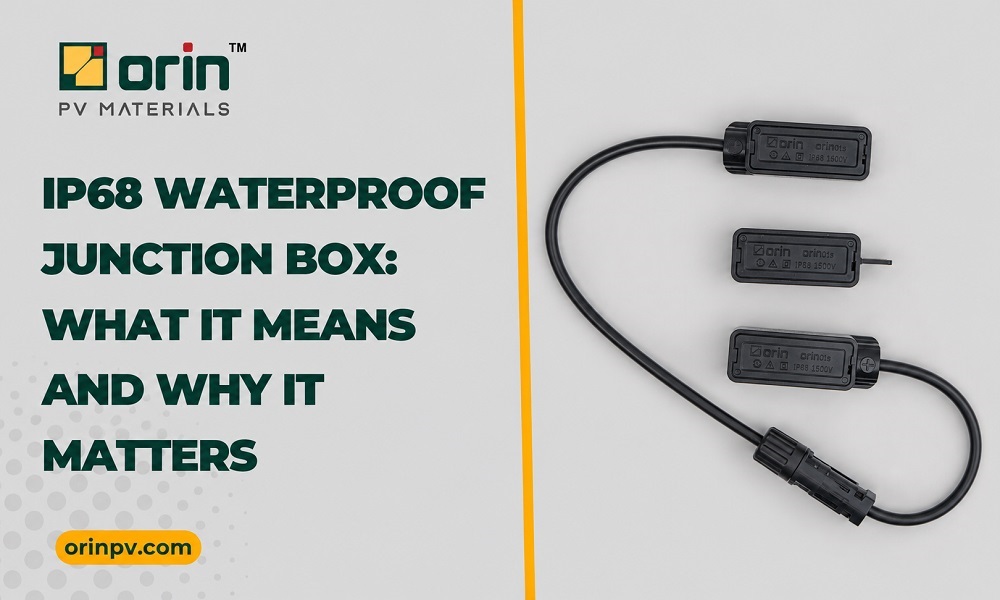
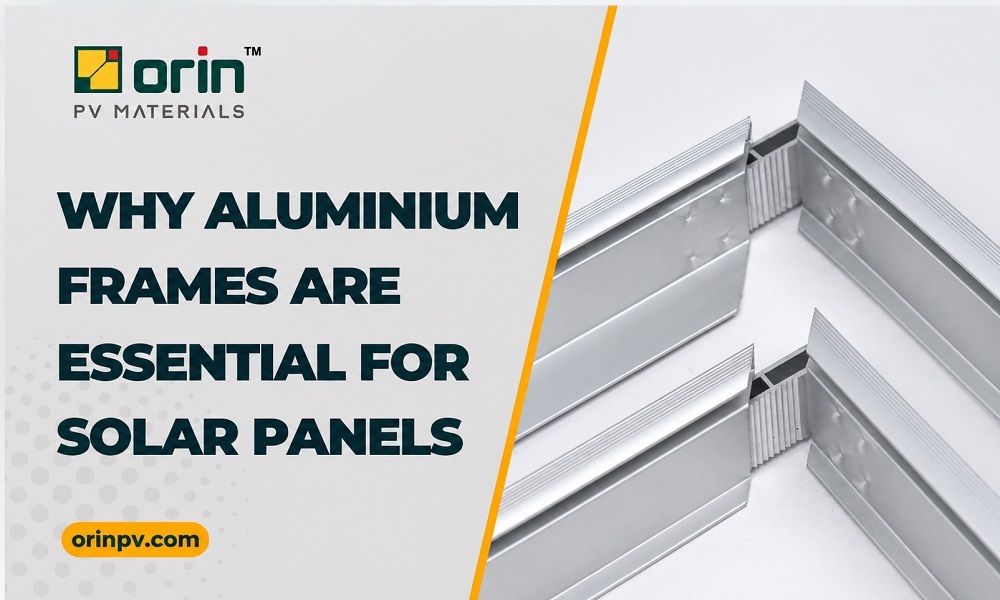
A PV junction box, for example, protects electrical connections and houses bypass diodes. Similarly, the frame provides structural support, while specialised sealants help protect sensitive areas of the module from environmental exposure.
As installations remain outdoors for many years, manufacturers need components that can withstand heat, moisture, UV radiation and repeated temperature changes.
Choosing a Solar Industry Partner
When comparing solar renewable energy companies in India, price should not be the only consideration. For manufacturers and project developers, the following factors can have a direct impact on project reliability:
- Product testing and certification
- Manufacturing capacity
- Material quality
- Quality-control procedures
- Technical support
- Product compatibility
- Environmental resistance
- Ability to meet consistent supply requirements
A supplier’s manufacturing capabilities and quality systems become particularly important when components are being purchased for large-volume module production.
Where Orin Fits Into the Solar Supply Chain
Orin PV operates within the PV component manufacturing segment, supplying products used in solar module production. Its portfolio includes PV junction boxes, sealants and aluminium frames for photovoltaic applications.
The company’s focus is on developing components that can perform under demanding outdoor conditions while meeting the practical requirements of solar manufacturers. For module producers, having dependable component suppliers is essential because a small failure in a supporting component can affect the reliability of the finished module.
Orin’s approach combines product development, manufacturing and quality-focused processes to serve the requirements of the growing solar industry.
The Road Ahead for India’s Solar Market
India’s solar expansion is creating opportunities well beyond electricity generation. The development of a stronger domestic manufacturing base is increasing demand for specialised suppliers across the PV value chain.
For solar renewable energy companies in India, the coming years will involve more than simply increasing production capacity. Product consistency, testing, engineering capability, supply reliability and compliance will increasingly influence purchasing decisions.
As India’s photovoltaic industry continues to develop, component manufacturers such as Orin will have an important role in supporting the companies that manufacture and deploy the next generation of solar systems.
FAQs
1. What are solar renewable energy companies in India?
They include manufacturers, developers, EPC providers, equipment suppliers, component manufacturers, and companies maintaining solar projects.
2. What is driving India’s solar industry growth in 2026?
Government initiatives, rising renewable capacity, domestic manufacturing, rooftop adoption, and large-scale solar projects are driving growth.
3. Why are solar components important for photovoltaic systems?
Quality components improve electrical safety, weather resistance, durability, and the overall long-term reliability of solar modules.
4. What does Orin provide to India’s solar industry?
Orin manufactures PV junction boxes, sealants, and aluminium frames designed for reliable photovoltaic module manufacturing and applications.